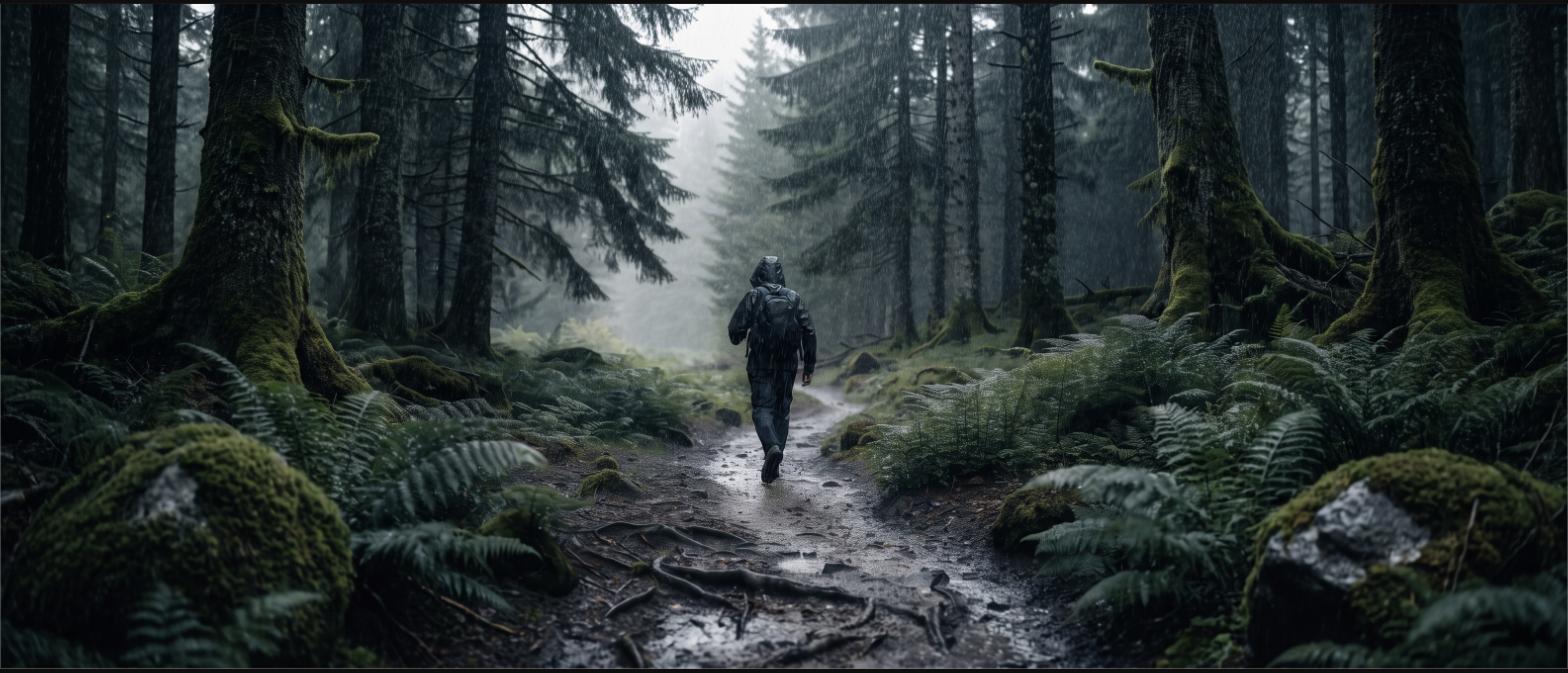
At SOS America, we talk a lot about the quiet things that help a service member reset. Time outdoors is near the top of that list, and the single most common reason a day outside gets cut short is not fitness or distance. It is getting wet and cold. Which brings up a question that sounds trivial until you are three miles from the truck in a downpour: are you better off in a rain coat or a rain jacket?
The Real Difference
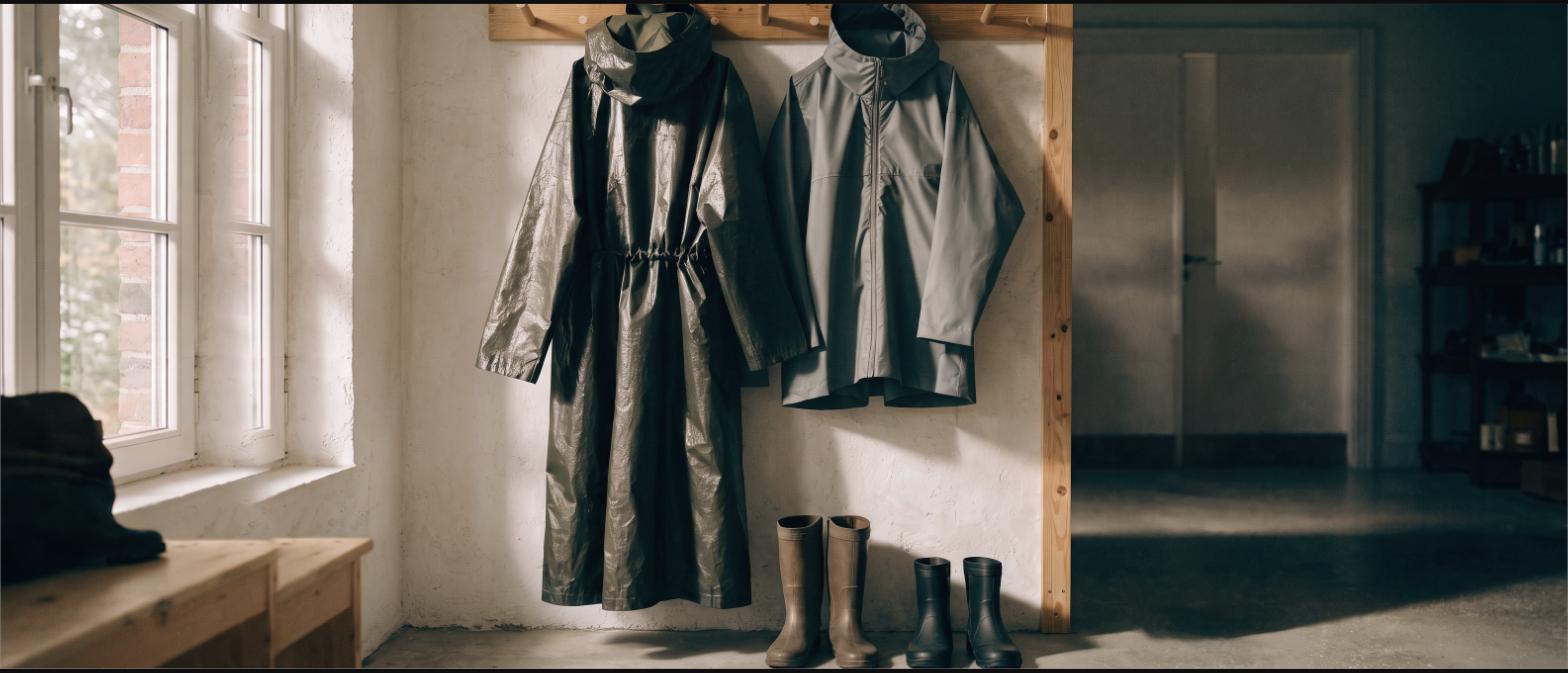
The words get used interchangeably in stores, but there is a practical distinction. A rain coat is longer, usually falling to mid-thigh or below, and its job is coverage. It sheds water off your seat and the tops of your legs, which matters if you are sitting, standing around, or moving at an easy pace.
A rain jacket is cut shorter, stops at the hip, and its job is movement. It is lighter, packs smaller, and does not bunch or drag when you are climbing, scrambling or working. The trade is that your legs are on their own.
What “Waterproof” Actually Means
Water resistant and waterproof are not the same claim. Water resistant will handle a passing shower and then wet out. Waterproof means a membrane or coating, taped seams, and a hood that actually adjusts. If the seams are not taped, water gets in at the stitching no matter what the fabric is rated for.
Breathability matters just as much. A cheap non-breathable shell keeps rain out and sweat in, and you end up damp either way. On a long day, that is the difference between comfortable and miserable.

Watch: I Tested 6 Rain Jackets So You Don’t Waste Money (YouTube)
Fit, Layers and Mobility
Buy for the layers you will wear underneath, not for the shirt you have on in the store. A shell that fits over a fleece without pulling at the shoulders will serve you in three seasons instead of one.
Mobility deserves real thought, particularly for anyone using a prosthesis, a cane or crutches. A long coat can catch and drag; a short jacket leaves more of you exposed but keeps your arms and hips free. There is no universally right answer, only the one that suits how you actually move. A clear breakdown of rain coat vs rain jacket coverage lays out those trade-offs plainly, including where a poncho beats both.
Looking After It
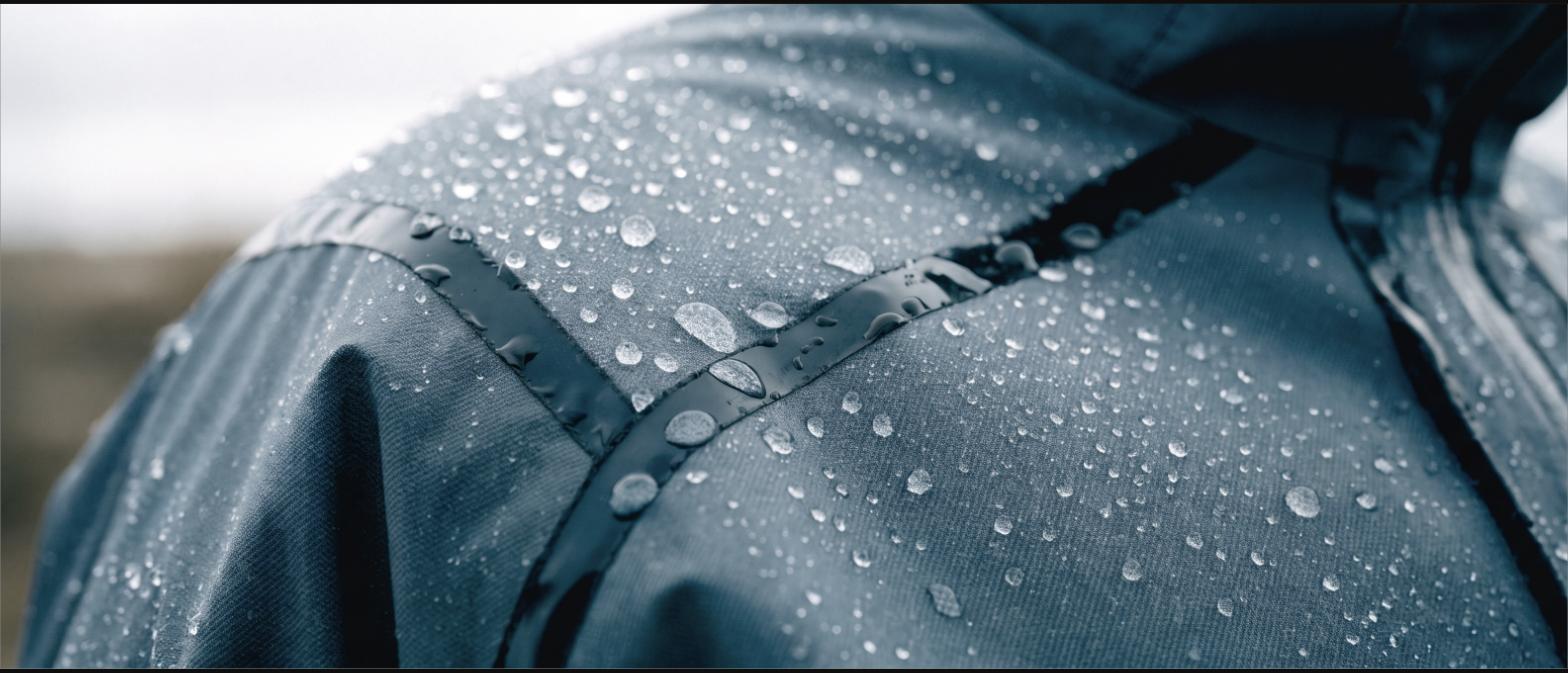
Rain gear stops working when it gets dirty. Body oils and grime clog the fabric, water stops beading, and the shell wets out. Wash it with a technical cleaner, not detergent, and refresh the water-repellent finish once a season. A ten-dollar bottle of proofing spray will get years more out of a jacket you already own.
Pick One and Go
If you spend your time walking, working or moving, take the jacket. If you spend it sitting, watching, standing at a rail or waiting out weather, take the coat. Either beats a good day cut short. Get the right shell, keep it clean, and let the weather be somebody else’s problem.