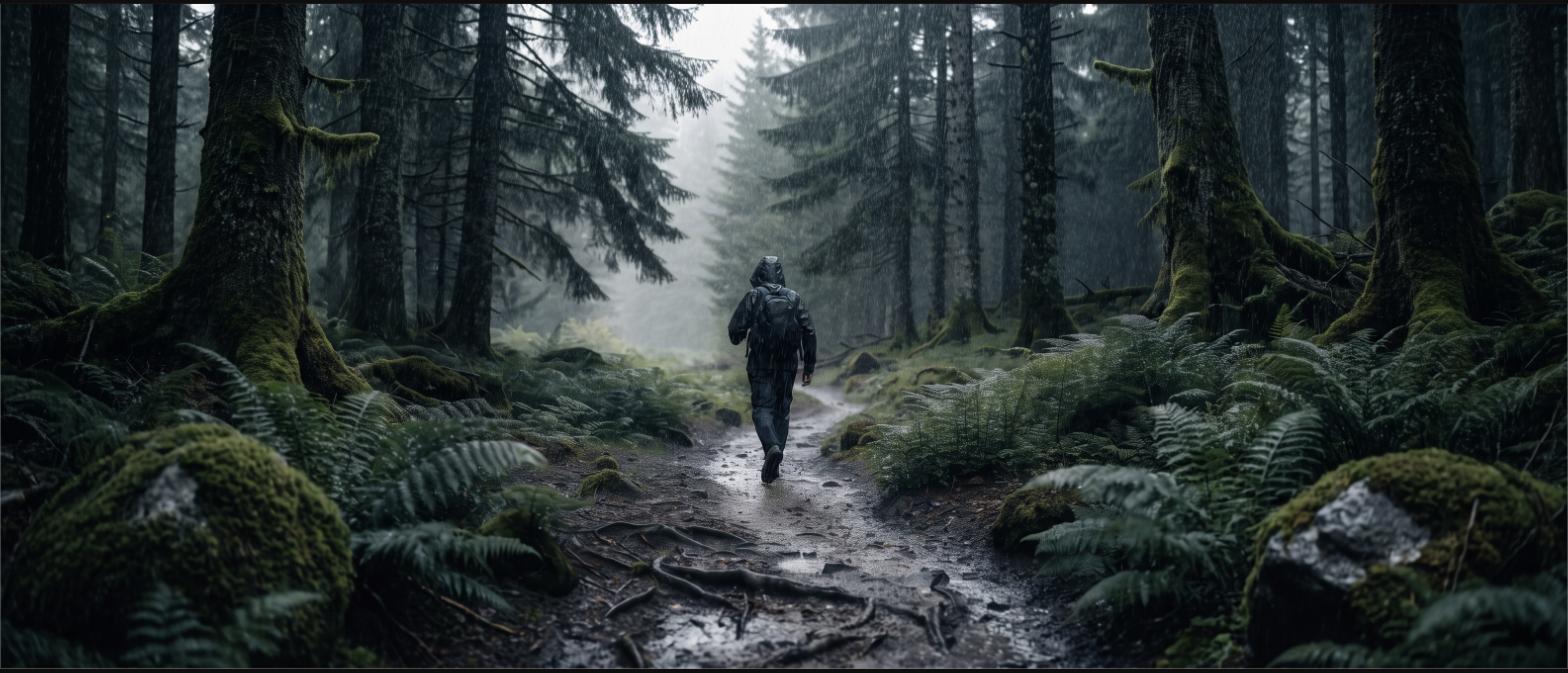
At SOS America, we talk a lot about the quiet things that help a service member reset. Time outdoors is near the top of that list, and the single most common reason a day outside gets cut short is not fitness or distance. It is getting wet and cold. Which brings up a question that sounds trivial until you are three miles from the truck in a downpour: are you better off in a rain coat or a rain jacket?
The Real Difference
The words get used interchangeably in stores, but there is a practical distinction. A rain coat is longer, usually falling to mid-thigh or below, and its job is coverage. It sheds water off your seat and the tops of your legs, which matters if you are sitting, standing around, or moving at an easy pace.
A rain jacket is cut shorter, stops at the hip, and its job is movement. It is lighter, packs smaller, and does not bunch or drag when you are climbing, scrambling or working. The trade is that your legs are on their own.
What “Waterproof” Actually Means
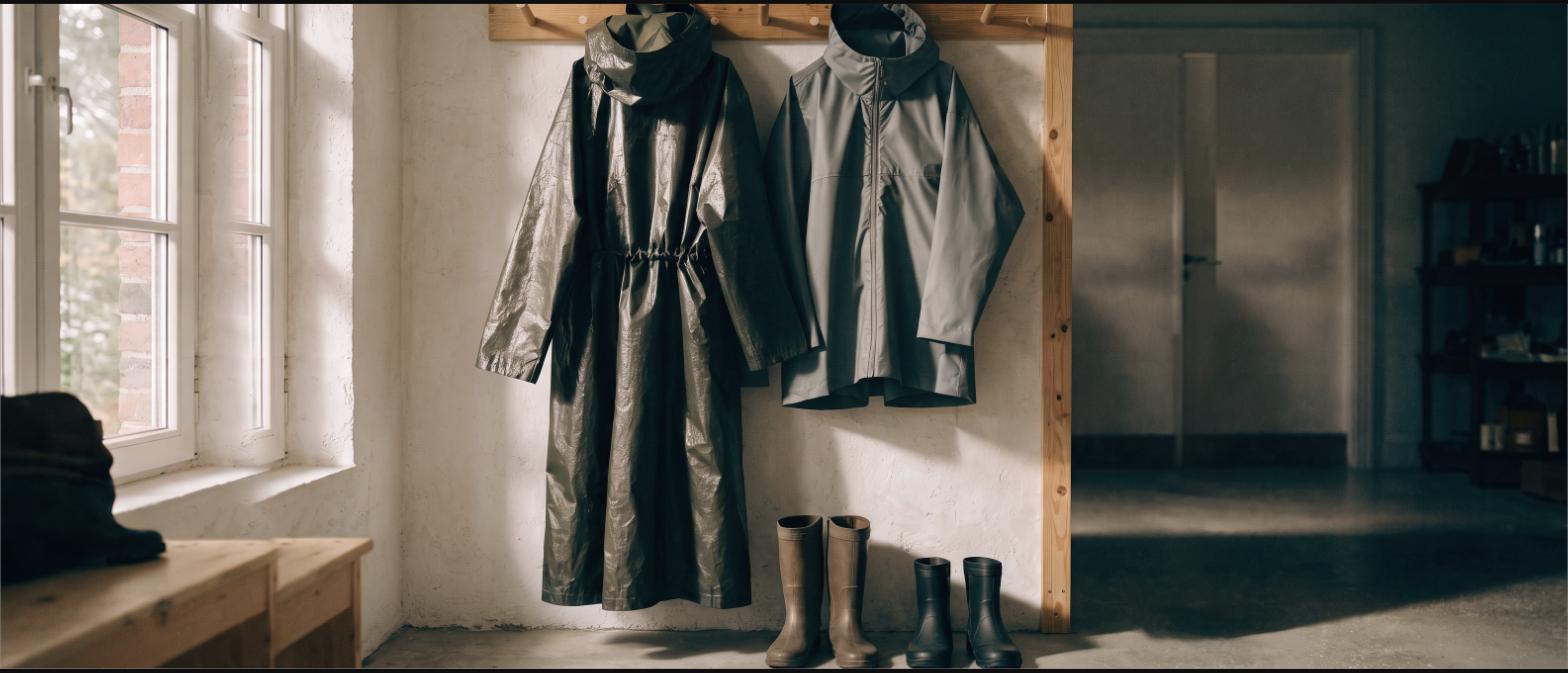
Water resistant and waterproof are not the same claim. Water resistant will handle a passing shower and then wet out. Waterproof means a membrane or coating, taped seams, and a hood that actually adjusts. If the seams are not taped, water gets in at the stitching no matter what the fabric is rated for.
Breathability matters just as much. A cheap non-breathable shell keeps rain out and sweat in, and you end up damp either way. On a long day, that is the difference between comfortable and miserable.

Watch: I Tested 6 Rain Jackets So You Don’t Waste Money (YouTube)
Fit, Layers and Mobility
Buy for the layers you will wear underneath, not for the shirt you have on in the store. A shell that fits over a fleece without pulling at the shoulders will serve you in three seasons instead of one.
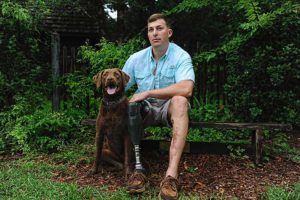
Mobility deserves real thought, particularly for anyone using a prosthesis, a cane or crutches. A long coat can catch and drag; a short jacket leaves more of you exposed but keeps your arms and hips free. There is no universally right answer, only the one that suits how you actually move. A clear breakdown of rain coat vs rain jacket coverage lays out those trade-offs plainly, including where a poncho beats both.
Looking After It
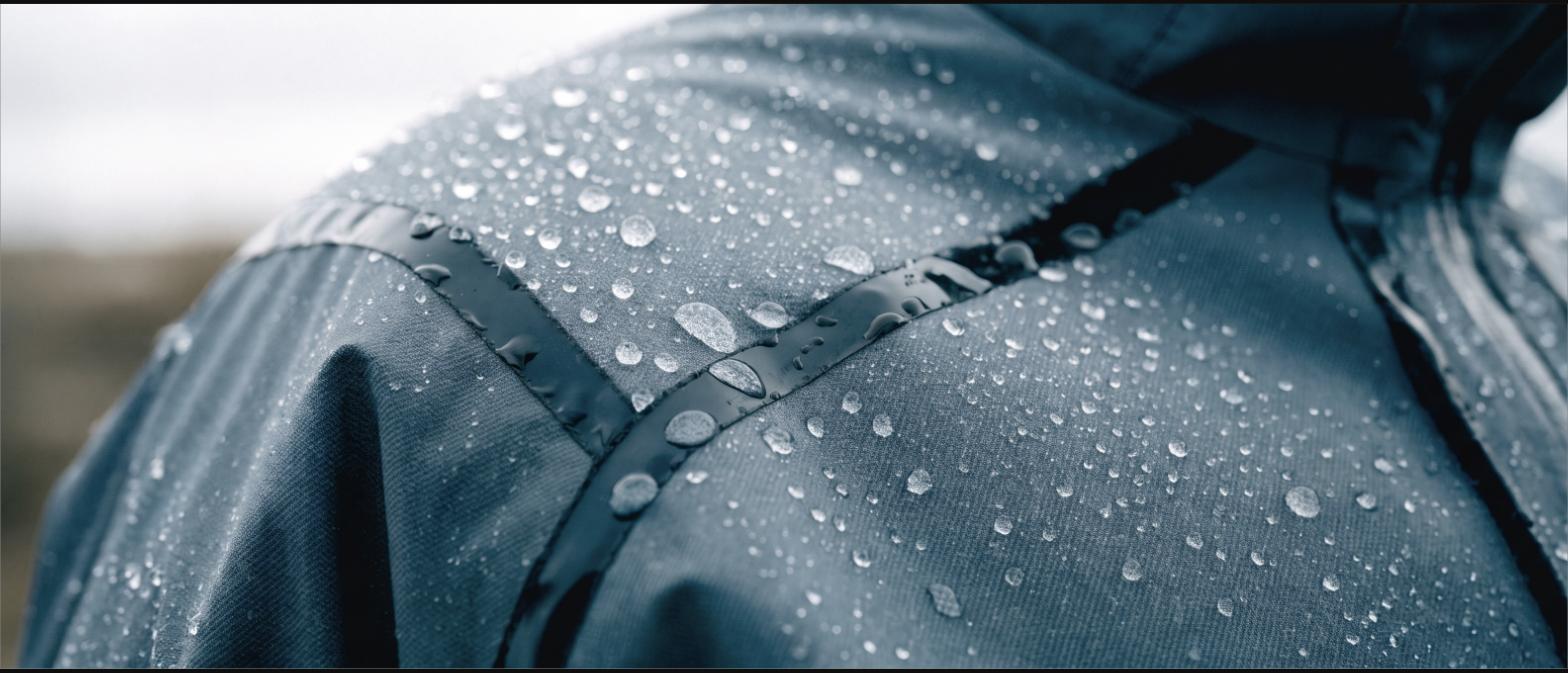
Rain gear stops working when it gets dirty. Body oils and grime clog the fabric, water stops beading, and the shell wets out. Wash it with a technical cleaner, not detergent, and refresh the water-repellent finish once a season. A ten-dollar bottle of proofing spray will get years more out of a jacket you already own.
Pick One and Go
If you spend your time walking, working or moving, take the jacket. If you spend it sitting, watching, standing at a rail or waiting out weather, take the coat. Either beats a good day cut short. Get the right shell, keep it clean, and let the weather be somebody else’s problem.




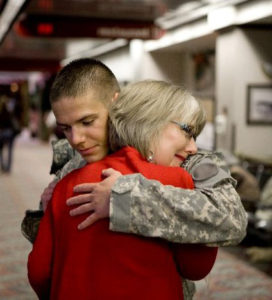
 Each day, soldiers who have been stationed in faraway places return home to their families. A sad truth is that not all of them who are returning home will return in the same way that they left. More often than we want to talk about, soldiers are injured in battles and skirmishes with an enemy. Their lives are forever changed, but this does not take away the joy of returning home. In all cases, whether injured in battle or not, returning home is a big event, especially if their deployment has covered long durations of time. When coming home, perhaps you should consider tactical gifts for returning vets.
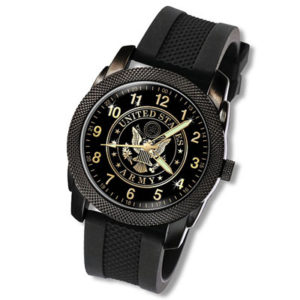 Some of the most popular gifts for vets that are returning home will be those that pay tribute in some way to the life that they chose for themselves. For instance, a wooden flag. A tactical Christmas stocking with shotgun shells, knife patches, and other things that a vet may find a use for when not out in the field. One great option is to include a
  PTSD is one thing that many people deal with. It isn’t just something that happens to military personnel, but it is mostly attributed to the things that they see and deal with as members of active duty during wartime situations. The craziest thing about it is trying to understand what triggers the person may have that can bring it on. One example of this is how loud noises can trigger PTSD.
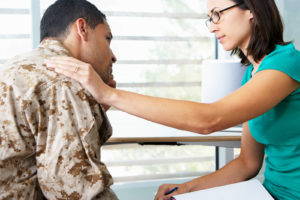 If PTSD is something you suffer with, you will need to refocus your energy on more positive things. Tell yourself that those problems you faced then are no longer your problems. You are home, you are safe, you are surrounded by the love of people you care about. Let them help you. Talk to them, especially if you know your trigger is loud noises. Explain what you are feeling and let them inside of your world. Even if they do not know exactly what you were feeling, sometimes simply having someone to listen can help. It helps you all.
 Our military personnel often deal with several very big decisions during their military career and afterward. Do they want to make it into a lifelong career? How many times do they want to re-enlist? What is right for their family? These questions are often fairly easy, but eventually they will also have to ask what happens if they become injured and must retire early or what will they do once their
  Whether injured in combat or simply wrapping up their time, starting a business is the easiest option and the most difficult for our soldiers. It gives them the opportunity to be their own boss and work when they are able to do so. It allows them to spend time with their family and in some ways, it is a way for them to
  Every new business venture comes at a price. It does not matter what the business is. For instance, a person who works from home must still invest in a reliable internet connection, a good computer, and a desk for them to work at as a starting point and from there, they must also invest money depending on what they are hoping to do on their computer. Someone who wants to get into lawn care or landscaping will first have to have equipment that may range from lawn mowers and weed eaters to a tractor and other things. The price of starting up can add up quickly if you start looking at new Mahindra tractor prices. As a construction team, you will need help to get started, insurance for your helpers and to protect against damages that may come during construction, and all types of tools to ensure that you are able to get the job done.
 Returning vets face a lot of troubles upon their arrival back home. Many of them, especially those who were injured in battle, return to a home without having a job to depend on. They may have a little income from disability, but most are not able to make it on so little. This is why many veterans end up homeless, without family, and nowhere to go. Instead of allowing it to happen to your loved ones or yourself, you need to know that there are some very popular jobs for returning vets available. The thing is, you may have to think a little outside of the box to find them.
 If you have a specialty in the military, you may be able to put it to use when you return home, even if you are injured in battle. For instance, if you were a builder or a driver in the military, you may be able to do the same thing outside of it. If you were trained to work at a desk job in the military, there will still be a place for you outside of it. You may be able to work as an industrial production manager, a software engineer, work in telecommunications, or as a paralegal. Many veterans also return home to drive big trucks and work in the medical field as a nurse or surgeon.
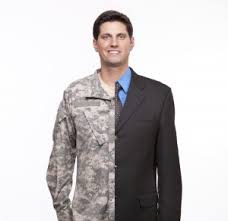 In the event that you are unable to find a common career choice, you have uncommon job opportunities available as well. These jobs may include things that are a little unexpected, but they still pay well enough to keep you off the streets. You can focus on
 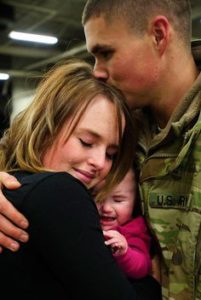 There are stories about how much our veterans lose when they go into a war. It goes beyond the physical disabilities that they may return with if injured. Many of them lose their families, their homes, and their job with the military. It is a constant struggle and for that reason, many veterans have ended up becoming homeless. There are programs out there that are trying to